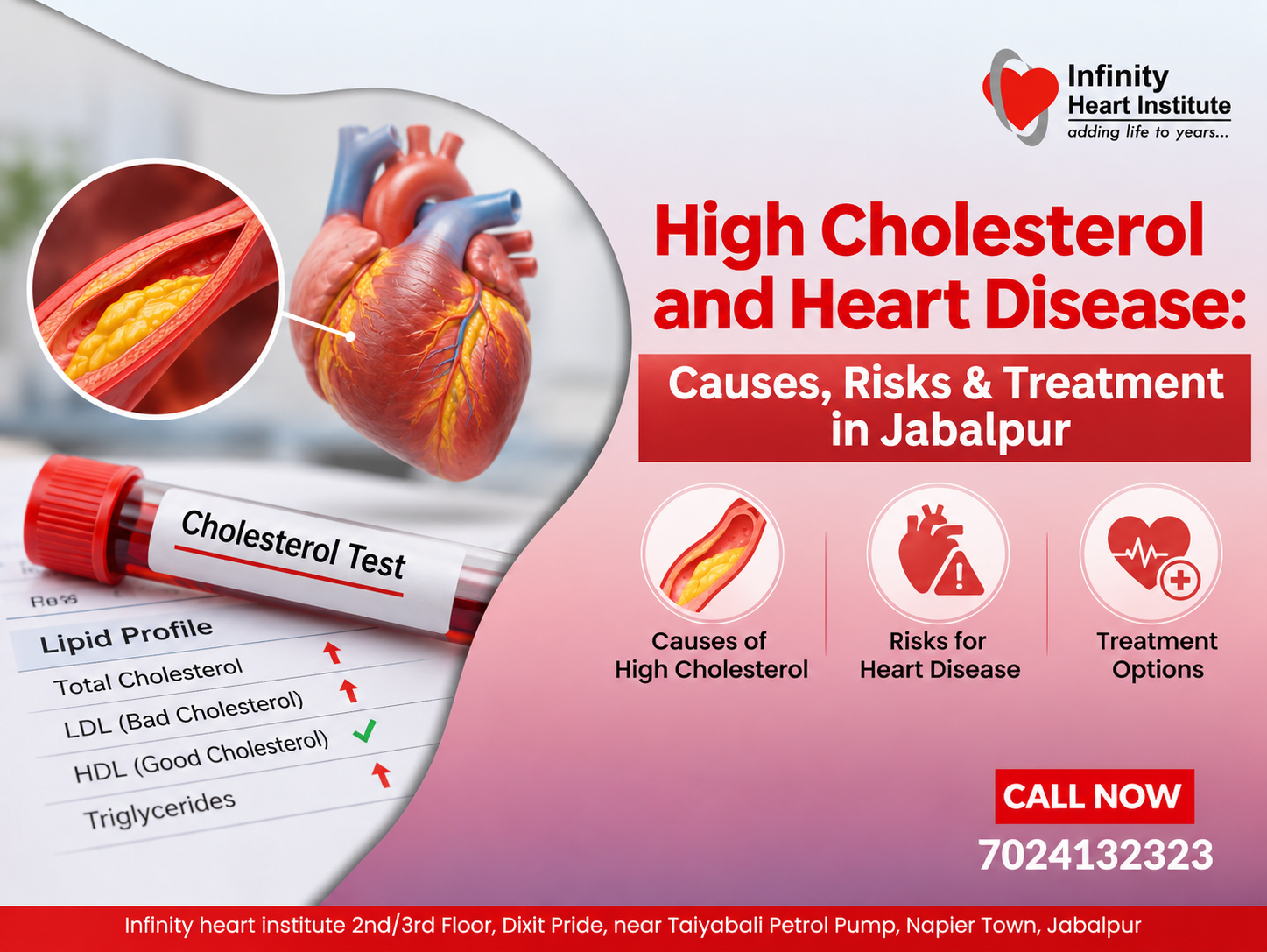
High cholesterol is one of the most common health concerns affecting adults today. Many people do not realise that elevated cholesterol levels can gradually damage their blood vessels and increase the risk of serious cardiovascular problems. Understanding the connection between High Cholesterol and Heart Disease in Jabalpur is important for people who want to protect their heart health and prevent future complications.
Cholesterol is a fatty substance naturally produced by the liver. The body needs it to build healthy cells and produce certain hormones. However, when cholesterol levels become abnormal, particularly when LDL cholesterol is elevated, fatty deposits can accumulate inside the arteries. This condition is known as atherosclerosis and may restrict blood flow to the heart.
At Infinity Heart Institute, Jabalpur, Dr. Ankit Agrawal, MD, DM (Interventional Cardiology), focuses on the diagnosis and management of various heart-related conditions. With experience in interventional cardiology and procedures such as coronary angiography, angioplasty, pacemaker implantation and balloon mitral valvotomy, he provides cardiac care based on individual patient requirements. This article explains the causes, symptoms, risk factors, diagnostic tests and treatment options associated with high cholesterol and cardiovascular disease.
What Is Cholesterol and Why Is It Important for Heart Health?
Cholesterol is a waxy, fat-like substance that circulates in the bloodstream. Although the body requires cholesterol for normal functioning, having excessive amounts of certain types can increase cardiovascular risk.
There are different types of cholesterol:
1. LDL (Low-Density Lipoprotein)
LDL is commonly called bad cholesterol because excessive levels can contribute to plaque formation inside the arteries. Over time, these deposits can narrow the blood vessels and reduce blood supply to important organs.
2. HDL (High-Density Lipoprotein)
HDL is known as good cholesterol because it helps transport excess cholesterol from the bloodstream towards the liver for processing and removal.
3. Triglycerides
Triglycerides are another type of fat present in the blood. High triglyceride levels, particularly when combined with elevated LDL or low HDL, may increase cardiovascular risk.
A lipid profile helps measure these components and gives doctors important information about a person’s cardiovascular health.
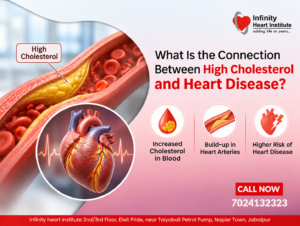
What Is the Connection Between High Cholesterol and Heart Disease?
The relationship between High Cholesterol and Heart Disease in Jabalpur is important because abnormal cholesterol levels can contribute to coronary artery disease. When LDL cholesterol remains elevated for a long time, it can enter the walls of the arteries and contribute to plaque formation. These plaques gradually make the arteries narrower and less flexible.
This process can lead to:
- Reduced blood flow to the heart.
- Coronary artery disease.
- Increased risk of angina or chest pain.
- Greater possibility of heart attack.
- Increased risk of stroke due to arterial disease.
In some cases, a plaque may rupture and trigger the formation of a blood clot. If the clot blocks an artery supplying the heart, it can cause a heart attack.
People looking for a Cardiologist in Jabalpur should understand that cholesterol management is not only about reducing a laboratory number. It is also about evaluating overall cardiovascular risk and preventing complications.
What Are the Common Causes of High Cholesterol?
Several factors can contribute to elevated cholesterol levels. Some are related to daily habits, while others may be genetic or associated with existing health conditions.
1. Unhealthy Eating Habits
Frequent consumption of foods containing high amounts of saturated and trans fats may negatively affect cholesterol levels.
Examples include:
- Deep-fried foods.
- Processed snacks.
- Excessive bakery products.
- Fatty and processed meats.
- Foods containing partially hydrogenated oils.
A balanced diet with vegetables, fruits, whole grains, legumes and healthy fats can support better cholesterol control.
2. Lack of Physical Activity
A sedentary lifestyle can contribute to weight gain, lower HDL cholesterol and increased cardiovascular risk. Regular physical activity helps improve overall metabolic health.
3. Obesity and Excess Body Weight
Excess body fat, particularly around the abdomen, is associated with abnormal lipid levels. Maintaining a healthy weight can improve cholesterol and other cardiovascular risk factors.
4. Smoking and Tobacco Consumption
Smoking damages blood vessels and increases cardiovascular risk. It may also negatively affect HDL cholesterol and contribute to plaque formation.
5. Diabetes and High Blood Pressure
People with diabetes and hypertension often have a higher risk of cardiovascular complications. These conditions can occur alongside abnormal cholesterol levels, making regular monitoring important.
6. Family History and Genetics
Some people inherit conditions such as familial hypercholesterolaemia, which can cause very high LDL cholesterol even at a young age.
What Are the Symptoms of High Cholesterol?
One important fact about high cholesterol is that it usually does not produce noticeable symptoms in the early stages.
Many people discover the condition only when they undergo a routine blood test or develop complications related to narrowed arteries.
Possible warning signs of associated cardiovascular disease include:
- Chest pain or pressure, especially during physical activity.
- Breathlessness during exertion.
- Unusual tiredness.
- Pain or discomfort spreading towards the arms, back, neck or jaw.
- Dizziness or fainting in certain cardiac conditions.
These symptoms should not automatically be attributed to cholesterol. They require proper medical evaluation.
Sudden chest pressure, severe breathlessness, cold sweating, fainting or pain spreading to the arm or jaw may indicate a heart attack. Seek emergency medical assistance immediately rather than waiting for a routine appointment.
Who Is at Higher Risk of Cholesterol-Related Heart Disease?
Certain individuals need closer monitoring because they may have a greater likelihood of developing cardiovascular complications.
Common risk factors include:
- Adults with elevated LDL cholesterol.
- People with diabetes or high blood pressure.
- Individuals who smoke.
- People with obesity or limited physical activity.
- Individuals with a family history of early heart disease.
- People with existing coronary artery disease.
- Individuals with kidney disease or certain metabolic disorders.
A Heart Specialist in Jabalpur can assess these factors together rather than evaluating cholesterol levels in isolation.
Which Tests Help Diagnose High Cholesterol and Heart Disease?
Early diagnosis allows doctors to identify cardiovascular risk and recommend appropriate preventive measures.
1. Lipid Profile Test
A lipid profile is a blood test that measures:
- Total cholesterol.
- LDL cholesterol.
- HDL cholesterol.
- Triglycerides.
The results help doctors understand a person’s lipid levels and decide whether lifestyle changes or medication may be necessary.
2. Blood Pressure Measurement
High blood pressure can damage artery walls and increase the risk of cardiovascular disease. Regular monitoring is important, especially in people with multiple risk factors.
3. Blood Sugar and HbA1c Tests
These tests help identify diabetes and assess long-term blood glucose control. Diabetes is an important cardiovascular risk factor.
4. ECG (Electrocardiogram)
An ECG records the electrical activity of the heart. It may help identify certain rhythm abnormalities or evidence of previous or ongoing heart-related problems.
5. 2D Echocardiography
An echocardiogram uses ultrasound waves to examine the heart’s structure, valves and pumping function. It is useful when doctors need additional information about cardiac function.
6. Treadmill Test (TMT)
A treadmill test evaluates how the heart responds to physical exercise. It may be recommended for selected patients depending on their symptoms and clinical assessment.
7. Coronary Angiography
Coronary angiography is an invasive diagnostic procedure used to examine the heart’s arteries and identify significant narrowing or blockages. It is recommended when clinically indicated.
For patients requiring advanced evaluation, a Heart Care Centre in Jabalpur can provide access to appropriate cardiac investigations and specialist assessment.
How Is High Cholesterol Treated?
Treatment depends on cholesterol levels, age, family history, existing medical conditions and overall cardiovascular risk.
1. Lifestyle Modifications
Lifestyle changes are an important part of managing cholesterol.
Doctors may recommend:
- Eating more fruits and vegetables.
- Including whole grains and fibre-rich foods.
- Limiting saturated and trans fats.
- Reducing processed and deep-fried foods.
- Maintaining a healthy body weight.
- Exercising regularly according to medical advice.
- Avoiding tobacco.
- Limiting alcohol consumption.
2. Cholesterol-Lowering Medicines
Some patients require medication to reduce LDL cholesterol and prevent cardiovascular complications.
Common treatment options include:
Statins: These medicines reduce cholesterol production in the liver and lower LDL levels. They are commonly prescribed according to cardiovascular risk.
Ezetimibe: This medicine reduces cholesterol absorption in the intestine and may be used alongside statins or in selected patients.
PCSK9 Inhibitors: These injectable medicines can significantly reduce LDL cholesterol in selected high-risk patients.
Other lipid-lowering medicines: Depending on the patient’s lipid profile, doctors may consider additional treatments for elevated triglycerides or persistent cholesterol abnormalities.
Patients should not start, stop or change cholesterol medicines without consulting their treating doctor.
3. Advanced Cardiac Procedures
When cholesterol-related plaque contributes to significant coronary artery narrowing, certain patients may require interventional treatment.
Coronary Angioplasty: A balloon is used to open a narrowed artery, and a stent may be placed to help maintain blood flow.
Coronary Angiography: This procedure helps identify the location and severity of blockages and guides further treatment decisions.
Dr. Ankit Agrawal provides interventional cardiology services at Infinity Heart Institute, Jabalpur. The appropriate procedure depends on the patient’s clinical condition and investigation findings.
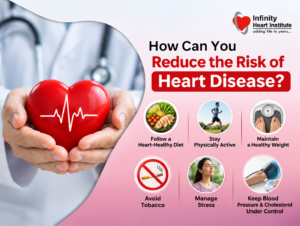
How Can You Reduce the Risk of Heart Disease?
Preventing cardiovascular complications requires consistent attention to daily health habits.
Follow a Heart-Healthy Diet
Choose foods containing fibre, healthy fats and essential nutrients. Include green vegetables, fruits, pulses, nuts and whole grains in your regular meals.
Exercise Regularly
Walking, cycling and other suitable physical activities can support heart health. People with existing heart conditions should discuss exercise intensity with their doctor.
Maintain a Healthy Weight
Weight management can help improve cholesterol, blood pressure and blood sugar levels.
Monitor Cholesterol Regularly
People with diabetes, hypertension, a family history of heart disease or previously elevated cholesterol may need periodic lipid testing.
Avoid Smoking
Stopping tobacco use is one of the most important steps towards reducing cardiovascular risk.
Manage Existing Health Conditions
Keeping diabetes, hypertension and other medical conditions under control helps reduce the overall burden on the cardiovascular system.
When Should You Consult a Cardiologist?
You should consider a cardiac evaluation if you have persistently high cholesterol, diabetes, hypertension, a strong family history of early heart disease or symptoms such as chest discomfort and unexplained breathlessness.
People searching for Heart Disease Treatment in Jabalpur should seek an assessment that considers their symptoms, test results and overall risk profile.
A cardiologist can determine whether lifestyle modifications are sufficient or whether medication and additional investigations are required.
Why Choose Infinity Heart Institute for Heart Care in Jabalpur?
Infinity Heart Institute is led by Dr. Ankit Agrawal, MD, DM (Interventional Cardiology), who has experience in managing various heart-related conditions.
His professional background includes working as a Junior Consultant at Asian Heart Institute, Mumbai, where he handled complex cardiac cases.
Cardiac Services Offered
- Coronary Angiography.
- Coronary Angioplasty.
- Pacemaker Implantation (PPI).
- Balloon Mitral Valvotomy (BMV).
- Evaluation and management of coronary artery disease.
- Assessment of chest pain and other cardiac symptoms.
The institute focuses on appropriate diagnosis, patient education and individualised treatment planning. Patients seeking a Heart Care Centre in Jabalpur can discuss their symptoms and investigation requirements with the cardiac team.
Frequently Asked Questions – Heart Disease in Jabalpur
1. Can high cholesterol cause heart disease?
Yes. High LDL cholesterol can contribute to plaque formation inside arteries, increasing the risk of coronary artery disease, heart attacks and strokes.
2. What is the normal cholesterol level?
Cholesterol interpretation depends on individual cardiovascular risk. Doctors evaluate LDL, HDL, total cholesterol and triglycerides together rather than relying on one universal target.
3. Does high cholesterol have any symptoms?
High cholesterol generally does not cause noticeable symptoms. A lipid profile blood test is required to identify abnormal cholesterol levels.
4. Can high cholesterol be controlled without medication?
Some people can improve their cholesterol through dietary changes, exercise and weight management. However, individuals with high cardiovascular risk may also require medication.
5. How often should I get my cholesterol checked?
Testing frequency depends on age, previous results, family history, medical conditions and treatment. Your doctor can recommend an appropriate testing schedule.
6. Which cholesterol is harmful to the heart?
Elevated LDL cholesterol is particularly associated with plaque formation in arteries. High triglycerides and low HDL may also contribute to an unfavourable lipid profile.
7. Can young adults develop high cholesterol?
Yes. Genetics, unhealthy lifestyle habits, diabetes and other medical conditions can cause elevated cholesterol even in younger adults.
8. Can high cholesterol cause a heart attack?
High LDL cholesterol can contribute to coronary artery plaque formation. If a plaque ruptures and a clot blocks blood flow, a heart attack may occur.
9. When should I consult a cardiologist for high cholesterol?
Consult a cardiologist if your cholesterol is persistently elevated, you have additional cardiovascular risk factors or you experience symptoms such as chest discomfort or breathlessness.
10. Where can I consult a cardiologist in Jabalpur?
Patients can consult Dr. Ankit Agrawal at Infinity Heart Institute, Jabalpur, for cardiac evaluation and guidance regarding appropriate investigations and treatment options.
Conclusion – Heart Disease in Jabalpur
High cholesterol is a manageable but important risk factor for cardiovascular disease. When left unaddressed, elevated LDL levels can contribute to plaque formation, narrowed arteries and serious complications such as heart attacks and strokes.
Understanding High Cholesterol and Heart Disease in Jabalpur can encourage people to take preventive steps through regular testing, healthy eating, physical activity and appropriate medical care.
Dr. Ankit Agrawal at Infinity Heart Institute, Jabalpur, provides evaluation and interventional cardiac care for patients with different heart-related conditions. Early consultation, accurate diagnosis and an appropriate treatment plan can help support better long-term heart health.