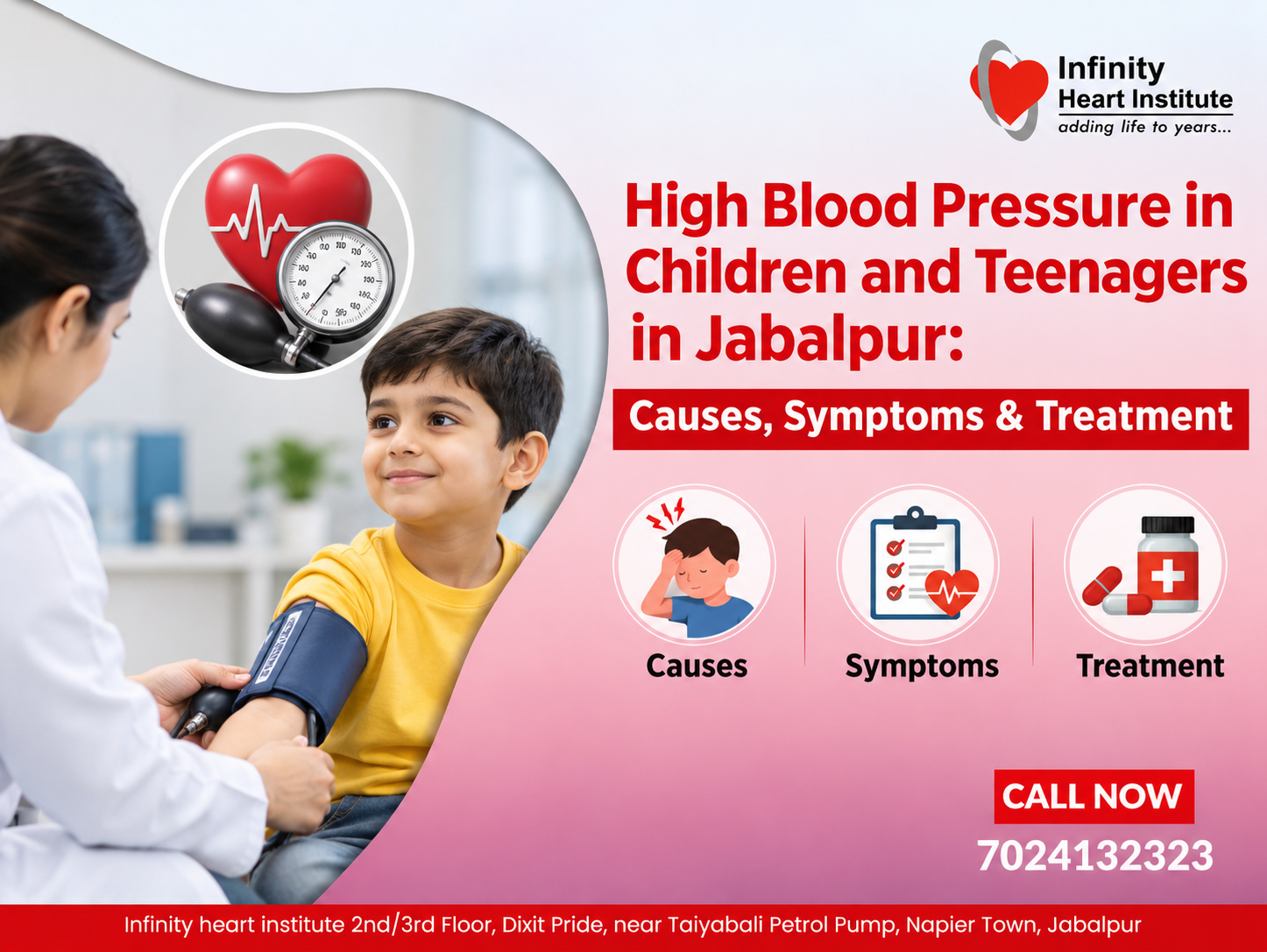
High blood pressure is commonly associated with adults, but it can also affect children and teenagers. Changes in lifestyle, unhealthy eating habits, lack of physical activity, obesity, family history and certain underlying medical conditions can increase the risk of elevated blood pressure at an early age. Although children may not always show noticeable symptoms, persistent high blood pressure can affect their heart, kidneys and overall health.
High Blood Pressure in Children and Teenagers in Jabalpur is an important health concern that parents should understand. Early identification and appropriate medical evaluation can help prevent potential complications and support healthy growth and development.
At Infinity Heart Institute, Jabalpur, Dr. Reema Agrawal, Director of Pediatrics, provides pediatric care for newborns, infants and growing children. Her approach focuses on understanding a child’s health requirements, identifying medical concerns and guiding parents towards appropriate healthcare.
What Is High Blood Pressure in Children and Teenagers?
Blood pressure refers to the force exerted by circulating blood against the walls of the arteries. When this pressure remains consistently higher than the expected range, it is known as hypertension. Unlike adults, blood pressure levels in children are interpreted according to their age, sex and height. For younger children, doctors use percentile-based measurements, while adolescents aged 13 years and above generally follow fixed blood pressure categories.
High Blood Pressure in Children and Teenagers in Jabalpur should not be diagnosed from a single elevated reading. Blood pressure needs to be measured correctly and confirmed through appropriate follow-up examinations. Parents should consider regular health assessments, especially if their child has obesity, kidney problems, diabetes or a family history of hypertension.
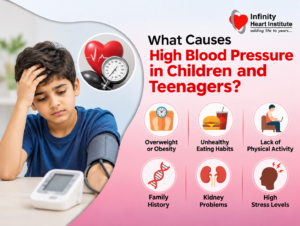
What Causes High Blood Pressure in Children and Teenagers?
There are several possible reasons why children may develop elevated blood pressure. Identifying the underlying cause is an important part of medical evaluation.
1. Childhood Obesity
Excess body weight is one of the important risk factors for high blood pressure in older children and teenagers. Increased body fat can affect the cardiovascular system and contribute to elevated blood pressure. A balanced diet, regular physical activity and healthy lifestyle habits can help manage weight and support better heart health.
2. Family History of Hypertension
Children with parents or close family members who have high blood pressure may have an increased risk of developing the condition. Genetic factors, combined with shared dietary and lifestyle habits, can influence blood pressure levels during childhood.
3. Kidney-Related Problems
Kidneys play an important role in controlling fluid balance and blood pressure. Certain kidney conditions can interfere with this process and lead to hypertension. Persistent high readings, particularly in younger children, may require investigations to identify possible kidney-related causes.
4. Unhealthy Eating Habits
Regular consumption of packaged snacks, processed foods, fast food and high-sodium meals can negatively affect cardiovascular health.
Children who consume excessive salt and have limited intake of fruits and vegetables may develop unhealthy dietary patterns that contribute to elevated blood pressure.
5. Lack of Physical Activity
Spending long hours watching television, playing video games or using mobile devices can reduce daily physical activity. A sedentary lifestyle may contribute to weight gain and increase the risk of cardiovascular health problems.
6. Hormonal and Other Medical Conditions
Certain hormonal disorders, thyroid problems, blood vessel abnormalities and other medical conditions may also contribute to hypertension in children. A proper medical examination helps determine whether high blood pressure is related to lifestyle factors or an underlying health condition.
What Are the Symptoms of High Blood Pressure in Children?
High blood pressure is often called a silent condition because many children do not experience noticeable symptoms, particularly during the early stages.
However, some children with significantly elevated blood pressure may experience:
- Frequent headaches
- Dizziness
- Blurred vision
- Unusual tiredness
- Shortness of breath
- Chest discomfort
- Nosebleeds in some cases
- Difficulty concentrating
These symptoms can occur due to several different health conditions and do not automatically indicate hypertension. Parents should not ignore repeated complaints or unusual changes in their child’s health. A medical assessment can help identify the actual cause.
How Is High Blood Pressure Diagnosed in Children?
Accurate diagnosis is essential because children’s normal blood pressure ranges differ from those of adults. During a medical assessment, the doctor may consider the child’s age, height, weight, medical history and family history.
Blood Pressure Measurement
A healthcare professional measures blood pressure using an appropriately sized cuff. An incorrect cuff size or measurement technique can produce misleading results. If the initial reading is elevated, repeat measurements may be required.
Medical History and Physical Examination
The doctor may ask about:
- Family history of hypertension
- Previous kidney or heart conditions
- Birth history and medical complications
- Dietary habits
- Physical activity
- Current medications
- Sleep patterns and other symptoms
Laboratory Investigations
Depending on the child’s condition, blood and urine tests may be recommended to assess kidney function and identify possible underlying causes.
Additional Diagnostic Tests
Some children may require additional investigations, such as kidney ultrasound, echocardiography or ambulatory blood pressure monitoring (ABPM). ABPM records blood pressure at regular intervals during normal daily activities and sleep. It may help confirm hypertension and identify abnormal readings that are not consistently detected during clinic visits.
What Are the Treatment Options for High Blood Pressure in Children?
Treatment depends on the child’s age, blood pressure readings, underlying cause and overall health. The objective is to control blood pressure safely while supporting normal growth and development.
1. Healthy Dietary Changes
A balanced diet is an important part of managing elevated blood pressure.
Parents can encourage children to:
- Eat fresh fruits and vegetables.
- Reduce excessive salt consumption.
- Limit packaged and processed foods.
- Choose whole grains and nutritious meals.
- Drink sufficient water.
- Maintain regular meal timings.
A DASH-style eating pattern may be recommended by the treating healthcare professional.
2. Regular Physical Activity
Physical activity supports healthy weight management and cardiovascular fitness. Children should be encouraged to participate in age-appropriate activities such as walking, cycling, swimming, outdoor games and sports. For children and adolescents with elevated blood pressure, medical guidance may include moderate-to-vigorous physical activity for 30–60 minutes on 3–5 days per week.
3. Healthy Weight Management
Children who are overweight may benefit from a structured weight-management plan. The focus should remain on healthy food choices, regular exercise and sustainable lifestyle changes rather than restrictive diets.
4. Proper Sleep and Daily Routine
Adequate sleep is important for children’s physical and mental development. Poor sleep patterns and sleep-related breathing problems may contribute to cardiovascular health concerns. Maintaining consistent sleeping hours and reducing excessive screen time before bedtime can support better overall health.
5. Medication When Required
Some children may require prescribed medicines if blood pressure remains high, if hypertension is severe, or if there is an underlying medical condition or evidence of organ involvement. Medication should only be started and monitored by a qualified doctor. Parents should never give children adult blood pressure medicines without medical advice.
Why Is Early Treatment Important?
Ignoring persistent high blood pressure during childhood may increase the risk of long-term cardiovascular problems.
Uncontrolled hypertension can affect important organs, including:
- Heart: Increased pressure can place additional strain on the heart muscle.
- Kidneys: Persistent hypertension can contribute to kidney damage.
- Blood vessels: Long-term elevated pressure can affect blood vessel health.
- Brain: Severe hypertension may increase the risk of neurological complications.
Early diagnosis, appropriate treatment and regular monitoring can help reduce these risks.
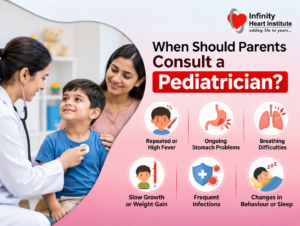
When Should Parents Consult a Pediatrician?
Parents should arrange a medical assessment if their child has repeatedly elevated blood pressure readings, unexplained headaches, vision complaints, unusual tiredness or other concerning symptoms. Children with kidney disease, diabetes, obesity or a family history of hypertension may also require closer monitoring. If a child develops severe headache, chest pain, breathing difficulty, confusion, seizures or sudden vision changes, seek emergency medical care.
A timely consultation with a Pediatrician in Jabalpur can help parents understand the child’s symptoms and determine whether further investigations are necessary.
How Can Parents Prevent High Blood Pressure in Children?
Although not every case of hypertension can be prevented, healthy habits can reduce several important risk factors.
Parents can support their child’s health by:
- Providing balanced and nutritious meals.
- Limiting foods containing excessive salt.
- Encouraging outdoor play and regular exercise.
- Maintaining a healthy weight.
- Ensuring adequate sleep.
- Limiting prolonged screen time.
- Scheduling routine health checkups.
- Following medical advice for existing health conditions.
Regular monitoring is particularly important for children who have known risk factors.
Pediatric Care at Infinity Heart Institute, Jabalpur
Infinity Heart Institute provides pediatric healthcare under the guidance of Dr. Reema Agrawal, Director of Pediatrics. She completed her MBBS from Dr. Bhimrao Ambedkar University and MD in Pediatrics from IMS, BHU, Varanasi. Her clinical experience includes newborn care, child development, vaccination and pediatric emergencies.
Parents looking for a Child Specialist in Jabalpur can consult an appropriate pediatric healthcare professional for concerns related to their child’s growth, development and general health. At Infinity Heart Institute, the focus is on understanding each child’s medical needs and providing appropriate guidance to families.
Dr. Reema Agrawal believes in combining medical knowledge with a compassionate approach to children’s healthcare. Parents can seek guidance regarding routine examinations, childhood health concerns and preventive healthcare.
Frequently Asked Questions – Child Specialist in Jabalpur
1. Can children develop high blood pressure at a young age?
Yes. Children and teenagers can develop hypertension due to obesity, family history, kidney disorders, hormonal conditions and other medical factors.
2. What are the common causes of high blood pressure in teenagers?
Common contributing factors include excess body weight, family history, unhealthy eating habits, lack of physical activity and certain underlying medical conditions.
3. How can parents identify high blood pressure in children?
Many children do not experience symptoms. Regular blood pressure measurements during healthcare visits can help identify elevated readings.
4. Is high blood pressure dangerous for children?
Persistent hypertension can affect the heart, kidneys and blood vessels. Early evaluation and appropriate management help reduce potential complications.
5. How often should children’s blood pressure be checked?
Blood pressure should generally be measured annually from age three onwards. Children with certain medical conditions or risk factors may need more frequent monitoring.
6. Can lifestyle changes control high blood pressure in children?
Healthy eating, reduced salt intake, regular physical activity, healthy weight management and adequate sleep can help control blood pressure in many children.
7. Do children with high blood pressure need medication?
Not every child needs medication. Treatment depends on blood pressure levels, the underlying cause and associated medical conditions. A doctor determines the appropriate approach.
8. Which doctor should parents consult for high blood pressure in children?
Parents should consult a pediatrician for an initial assessment. Depending on the findings, referral to a pediatric cardiologist or pediatric nephrologist may be recommended.
9. Can obesity increase the risk of hypertension in teenagers?
Yes. Excess body weight is an important risk factor for elevated blood pressure, particularly in older children and adolescents.
10. Where can parents seek pediatric consultation in Jabalpur?
Parents can consult Dr. Reema Agrawal at Infinity Heart Institute, Jabalpur, for pediatric healthcare guidance and assessment of childhood health concerns.
Conclusion – Child Specialist in Jabalpur
High blood pressure in children and teenagers should not be overlooked. Although it may not produce noticeable symptoms, persistent hypertension can affect long-term cardiovascular and kidney health. Understanding the causes, recognising possible warning signs and arranging timely medical evaluations are important steps towards protecting children’s health.
High Blood Pressure in Children and Teenagers in Jabalpur requires an individualised approach based on the child’s age, medical history and blood pressure readings. With appropriate medical guidance, healthy lifestyle habits and regular monitoring, many children can maintain better cardiovascular health as they grow.
Parents concerned about their child’s blood pressure or general health can seek pediatric consultation at Infinity Heart Institute, Jabalpur, under the guidance of Dr. Reema Agrawal.